
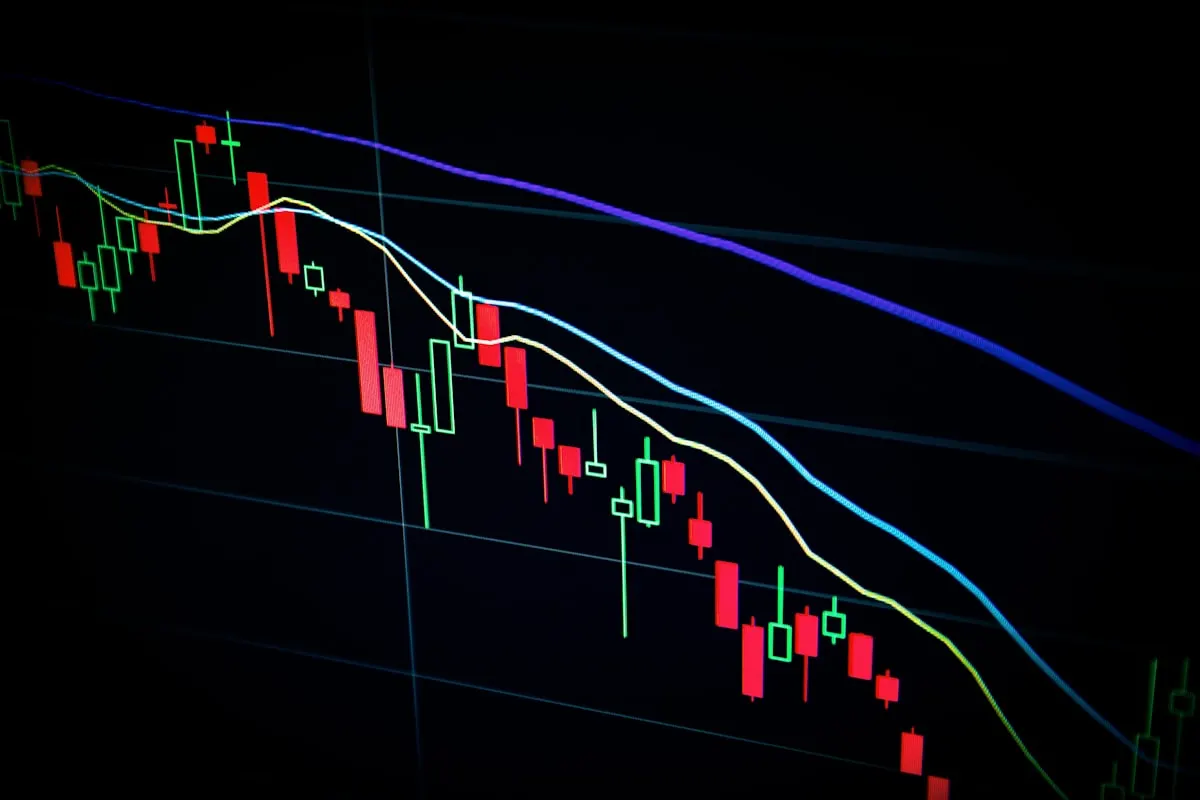

The Ultimate Guide to NEPSE Backtesting: Maximizing Swing Trading Profits
Trading the Nepal Stock Exchange (NEPSE) requires more than just gut feeling; it requires a systematic approach backed by historical data. Today, we are excited to introduce our highly anticipated NEPSE Backtesting Tool, designed specifically for the modern Nepali swing trader.
In this comprehensive guide, we will explore why backtesting is critical, how to configure our new tool, and the top three swing trading strategies that have consistently outperformed the broader market.
Why Backtesting is the Holy Grail of Trading
Backtesting is the process of testing a trading strategy on relevant historical data to ensure its viability before risking any actual capital. Without it, you are essentially gambling.
1. Eliminating Emotional Bias
Human psychology is often the biggest enemy of a trader. FOMO (Fear of Missing Out) and panic selling are rampant in volatile markets like NEPSE. By using a backtested system, you rely on statistical expectancy rather than emotion.
> "In trading, if you don't know your edge, you don't have one. Backtesting is how you mathematically prove your edge before entering the market." - Pitamber Gautam
2. Understanding Strategy Expectancy
Every strategy has a "Win Rate" and a "Risk-to-Reward" ratio. A system that wins 40% of the time but yields a 1:3 risk/reward ratio is highly profitable. Backtesting gives you the exact metrics of your system.
Introducing the Laganiforum Backtester
Our newly deployed tool at app.laganiforum.com is the first of its kind tailored explicitly for the NEPSE market dynamics. It allows you to:
- Test custom moving average crossovers.
- Filter by volume anomalies and liquidity.
- Simulate slippage and broker commissions (crucial for Nepali markets).
Core Features of the Engine
Historical Data Accuracy
We utilize adjusted historical data that accounts for right shares, bonus shares, and dividends. This is a common pitfall in amateur backtesting where raw price data skews the results.
Parameter Customization
You can tweak settings such as:
- Initial Capital: e.g., NPR 5,000,000
- Max Holdings: How many scrips your portfolio can hold simultaneously.
- Slippage: Setting realistic slippage (0.5% - 1%) reflects true NEPSE execution.
Top 3 NEPSE Swing Trading Strategies
1. The Volatility Contraction Pattern (VCP)
Popularized by Mark Minervini, the VCP looks for decreasing volatility coupled with a drop in trading volume before a major breakout.
How to test this:
- Set the trend filter to require the stock to be above its 200-day moving average.
- Filter for a 3-week tight close where weekly price variation is less than 2%.
- Set a buy condition for when the price breaks the prior week's high on 150% average volume.
2. The Institutional Accumulation Breakout
This strategy relies on detecting "smart money" footprint. In NEPSE, large institutional blocks are often traded quietly.
Indicator Setup:
- Use the On-Balance Volume (OBV) indicator.
- Set a condition where OBV is hitting new highs while the price is consolidating.
- The buy signal triggers when the price crosses a 50-day high with a significant surge in traded amount.
3. The 20/50 EMA Pullback Strategy
A classic trend-following strategy that works remarkably well in bull cycles like the one we saw in 2021.
The Rules:
- The 20 EMA must be above the 50 EMA.
- Wait for a pullback to the 20 EMA.
- Enter on a bullish engulfing candle or a strong hammer rejection off the 20 EMA.
- Stop loss is strictly placed below the recent swing low.
Step-by-Step Tutorial: Running Your First Backtest
Let's walk through running a backtest on app.laganiforum.com.
Step 1: Define the Date Range
Select a robust date range that includes both bull and bear markets. For example, test from January 2018 to December 2023. This ensures your strategy isn't just a byproduct of a singular bull run.
Step 2: Configure Risk Management
The most important part of the tool. Set your maximum portfolio allocation per trade to 10% or 20%. This prevents a single bad trade (like a suspended company) from ruining your equity curve.
Step 3: Analyze the Output
Once you hit "Run," the engine will generate:
- CAGR (Compound Annual Growth Rate)
- Maximum Drawdown (Max DD)
- Win Rate & Average Trade Duration
If your Max DD exceeds 25%, you likely need to tighten your stop losses or reduce your position sizing.
Conclusion
The era of blind trading in Nepal is over. With institutional players getting smarter and algorithmic trading becoming more prominent, retail traders must adapt. By leveraging app.laganiforum.com, you can finally trade with conviction, knowing your edge is mathematically proven.
Take the emotion out of your trading today, and start backtesting your ideas before committing real capital.
Ready to test your strategy? Head over to app.laganiforum.com and run your first simulation for free.

